Hurricane damage repair restores a roof after sustained wind lifted shingles, shifted tile, tore underlayment or let rain into the deck. A roofer checks the whole system, because the visible gaps are rarely the full story. Call the number on this page to be connected with a local roofing contractor in Thonotosassa.
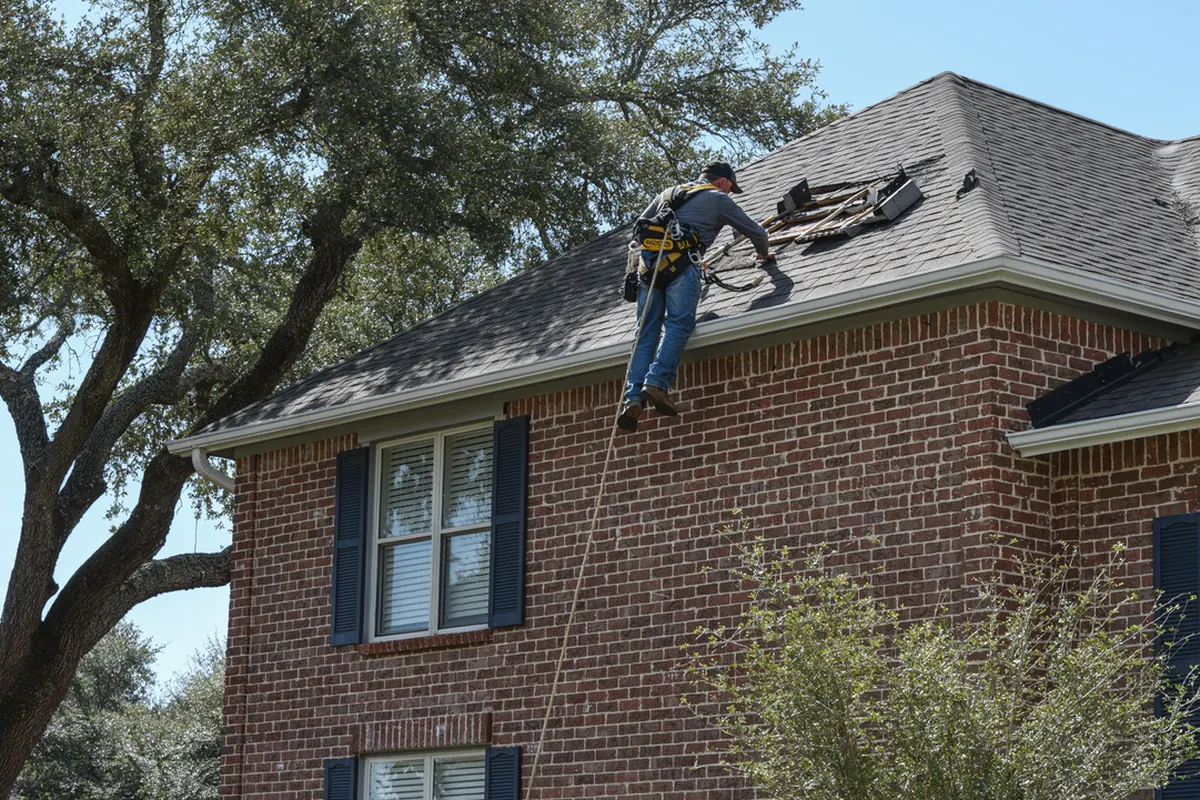
Before the storm arrives
When a named storm is in the forecast, walk around the house early and photograph each roof slope for a before record. Clear loose items from the yard, since they become projectiles. Ask a roofer well ahead of the season, not days before landfall, about loose or weak spots.
Where hurricane damage starts
- Eaves and rake edges
- Ridge and hip caps
- Gable ends and overhangs
- Skylight curbs and vent openings
Roofers begin at these places, then work toward the field of the roof, tracing how far loosened material extends and where water got in.
With so much tree cover nearby, hurricane damage here often combines wind lift and limb impact, which roofers record separately for repairs and claims.
Rural parts of Hillsborough County may wait longer for roofers after a hurricane, so call early and describe the damage clearly.
Before you call in Thonotosassa
Roofing permits for Thonotosassa addresses go through the Hillsborough County Building Services. Its published rule: re-roof permits go through HillsGovHub, where the applicant agrees to an attestation covering code compliance of decking, underlayment and roof covering. The county sets a progress check and a final roof inspection.
After a storm, read every page before signing and check the contractor's state license on the DBPR site; Florida requires a state contractor license for paid roof work.
Florida's existing-building code caps repairs at a quarter of a roof section in any 12-month span; past that, the full section usually has to meet current code.
Hurricane season runs June 1 through November 30. Lifted tabs, cracked tiles, loose ridge caps and missing shingles are worth a look after any strong blow.
With large trees close to many homes in Thonotosassa, falling limbs during storms are a real roof risk. Trimming overhanging branches helps.
Nearby, the same kind of help is available in Brandon, Seffner and Dover.
Photographs that carry weight
Capture the whole house, every slope, close shots with something for scale, plus ceilings and attic wood. Wide frames show where, tight ones show what. Date stamps matter because insurers compare your pictures with their own inspection later.
A chance to upgrade attachment
When covering comes off anyway, ask about stronger roof-to-deck nailing, a secondary water barrier and sealed seams. These wind-mitigation features may qualify for insurance discounts later, and a roofer can tell you what is practical for your roof.
Water coming through
Put a bucket under the drip, move belongings and photograph the stain. Ask the roofer about temporary protection. Do not go up on a storm-battered roof, since wet material and loosened pieces can fail under your weight. Permanent repairs can wait for dry weather.
Hurricane Damage Roof Repair questions in Thonotosassa
What if another hurricane comes before repairs are done?
Why did my roof leak when it looks fine from the street?
Should I do roof prep before hurricane season?
Will new shingles or tile match the old roof?
More roofing services in Thonotosassa
Hurricane Damage Roof Repair nearby
Helpful guides
Sources
Last updated: