Florida policies set a notice deadline for storm claims, so report damage promptly and keep dated photos and receipts. Your insurer decides coverage, not the roofer. Call the number on this page to be connected with a local roofing contractor in Seminole.
First look when it is safe
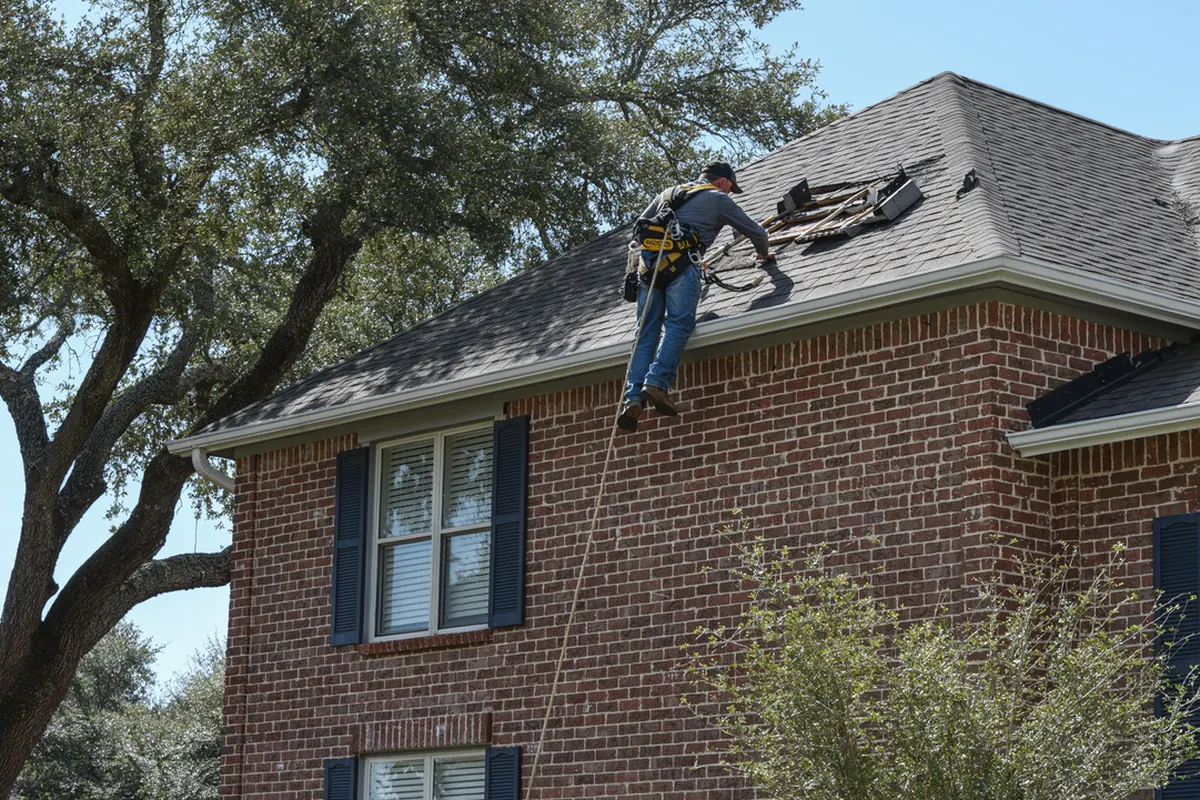
Wait for the all-clear, then check from the yard with binoculars. Look for exposed felt, bare plywood, slipped tile and loose metal at the edges. Take dated pictures of each slope and of the debris. Stay off the roof; a roofer will go up.
Where hurricane damage starts
- Eaves and rake edges
- Ridge and hip caps
- Gable ends and overhangs
- Skylight curbs and vent openings
Roofers begin at these places, then work toward the field of the roof, tracing how far loosened material extends and where water got in.
Salt air near the Gulf or bay wears on fasteners, tile clips and flashing, so a post-hurricane inspection here should look at metal parts closely.
Older roofs and coverage
Carriers look at the roof's age and condition when they decide what a storm caused. Prior wear may be treated differently from fresh wind damage. A roofer's honest description of both helps you understand what is likely to be covered.
Useful local facts for Seminole
For permit questions on a reroof, start with the Seminole Building Division. A contractor who works here regularly will know which inspections and affidavits the job needs.
After a storm, read every page before signing and check the contractor's state license on the DBPR site; Florida requires a state contractor license for paid roof work.
Florida insurers must offer discounts for wind-loss features such as roof-to-deck attachment and roof-to-wall connections, documented on a mitigation inspection form, so ask whether a reroof can add them.
Homes near the Gulf or Tampa Bay around Seminole take more wind and salt air, which wears metal flashing and fasteners faster.
Summer brings near-daily afternoon thunderstorms and frequent lightning to the Tampa Bay area, so small flashing gaps get tested often from about July into early September.
Nearby, the same kind of help is available in Largo, Pinellas Park and Indian Rocks Beach.
Permits and inspections
A significant roof repair or replacement after a hurricane normally needs a permit and inspections, and the roofer or the local building office can explain which apply. Ask who pulls the permit so nothing is missed.
When the roof cannot wait
Active dripping, a visible opening, daylight in the attic or a sagging ceiling are urgent. Describe them clearly when you call. Cosmetic issues like a few curled tabs usually wait until after the first wave of repairs.
Hurricane Damage Roof Repair questions in Seminole
Does the hurricane deductible work differently?
What should I photograph for a claim?
Is a blue tarp enough?
What roof features can lower my insurance cost?
More roofing services in Seminole
Hurricane Damage Roof Repair nearby
Helpful guides
Sources
Last updated: